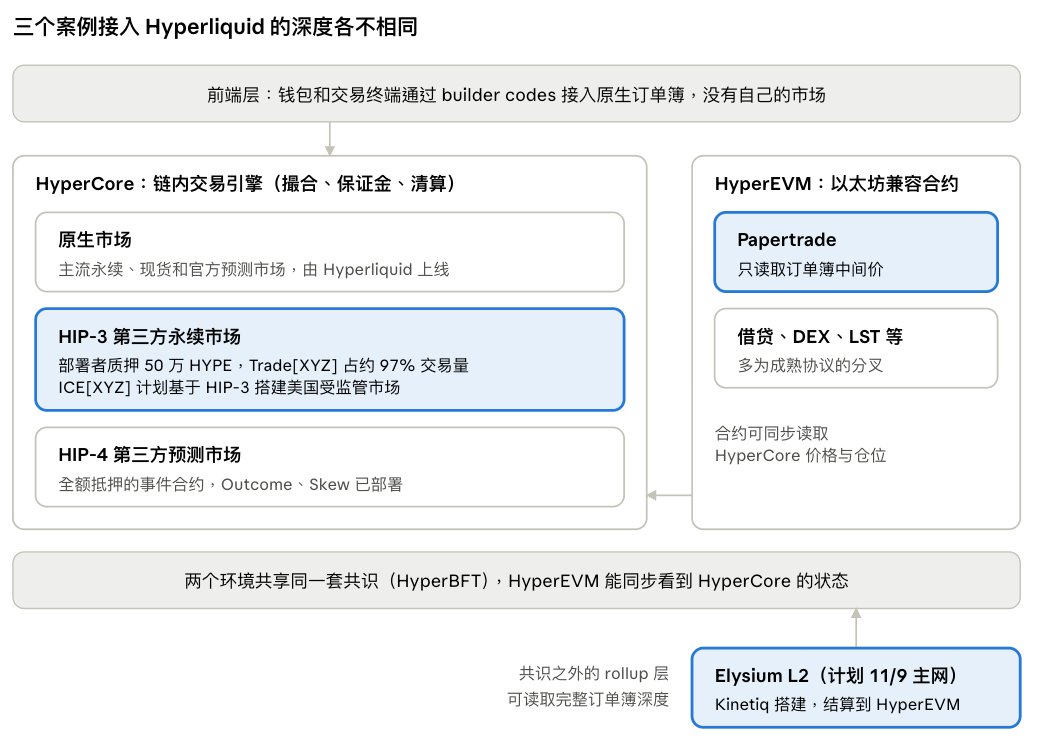
For a builder, the distinction is what a product takes from Hyperliquid—and where its trades actually settle. As reported on November 10, 2026, Papertrade used Hyperliquid prices while settling trades against its own pool; Trade[XYZ] opened markets on Hyperliquid’s trading system; and Kinetiq’s Elysium aimed to give applications faster access to order-book data. Those are three different ways to build around the same exchange chain, with different dependencies and revenue paths.
What applications can access
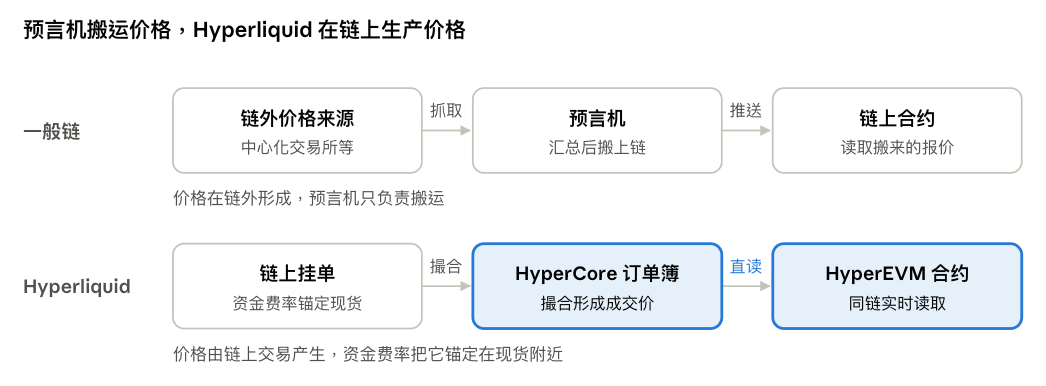
Hyperliquid separates HyperCore, which runs its order books and trading functions, from HyperEVM, an Ethereum-compatible environment where outside teams can deploy contracts. HyperEVM applications can read selected HyperCore data and, following the CoreWriter upgrade, send it instructions. Access to a price, however, is not the same as placing a trade in HyperCore’s order book.
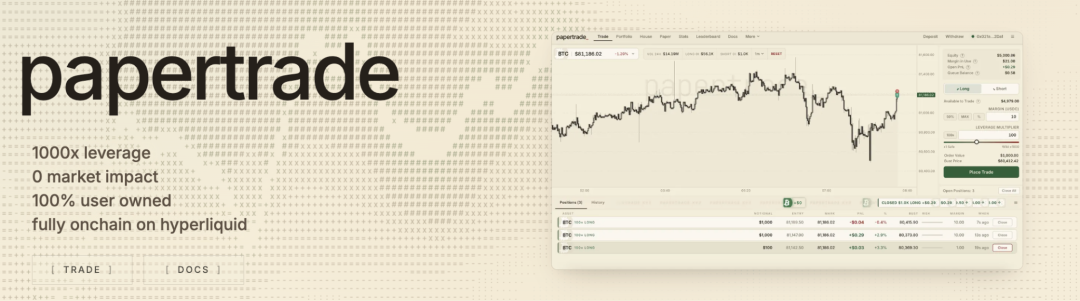
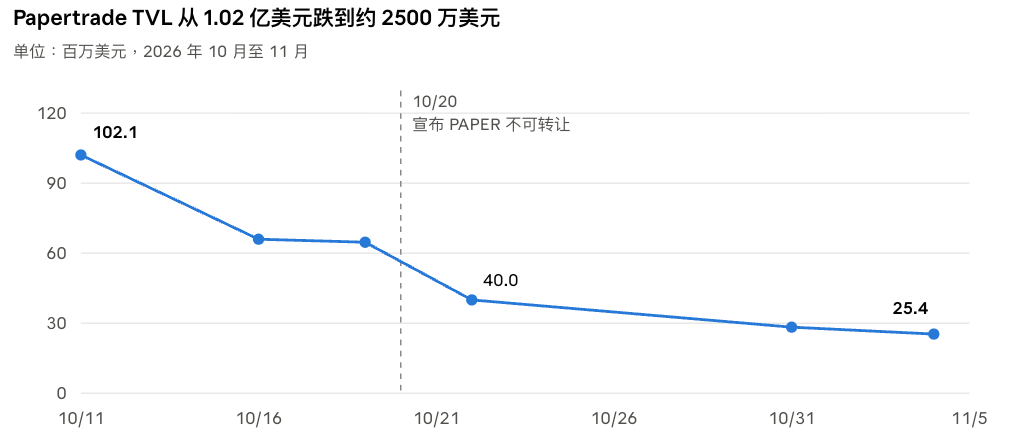
Papertrade illustrates the narrower approach. Launched on October 10, 2026, on HyperEVM, it offered BTC and ETH markets. According to the original analysis, it read Hyperliquid’s mid-price when positions opened and closed, but settled gains and losses against its own USDC pool rather than placing those trades on Hyperliquid. The analysis also reported an apparent attempt on launch night to move Hyperliquid’s ETH price while profiting from a Papertrade position. That account points to a risk for products that settle against an external price; it does not establish that every such product was affected.
Using the matching engine
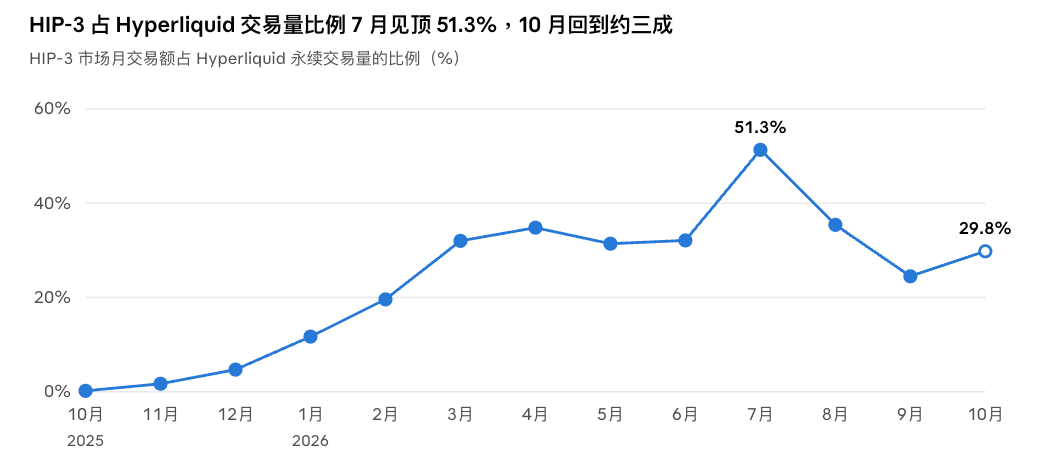
Trade[XYZ] goes deeper. It deploys perpetual-futures markets through HIP-3 on HyperCore, using Hyperliquid’s matching and margin system while bringing in external prices for markets including equities, indexes, oil and foreign exchange. The source reported that Intercontinental Exchange (ICE), the New York Stock Exchange’s parent company, took a stake in Trade[XYZ] on October 29, 2026. Their planned U.S. market, ICE[XYZ], would use Hyperliquid matching technology, with ICE operating the exchange and handling clearing. The proposal still required Commodity Futures Trading Commission approval; it was not an operating U.S. market at the time of the report.
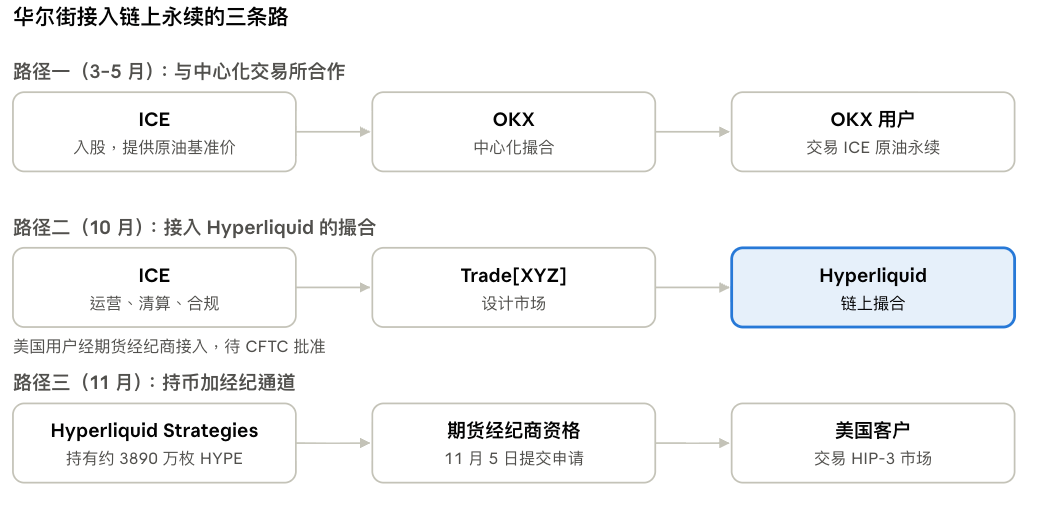
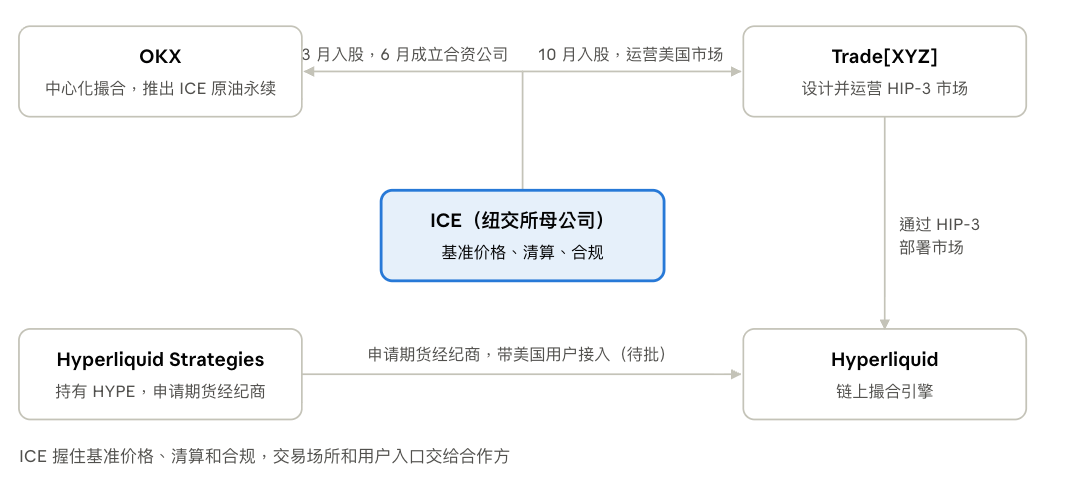
That distinction matters for liquidity. A market restricted to approved U.S. participants and market makers cannot be assumed to inherit the depth of Hyperliquid’s existing, more open markets simply because it uses the same matching technology.
Elysium’s faster-access plan
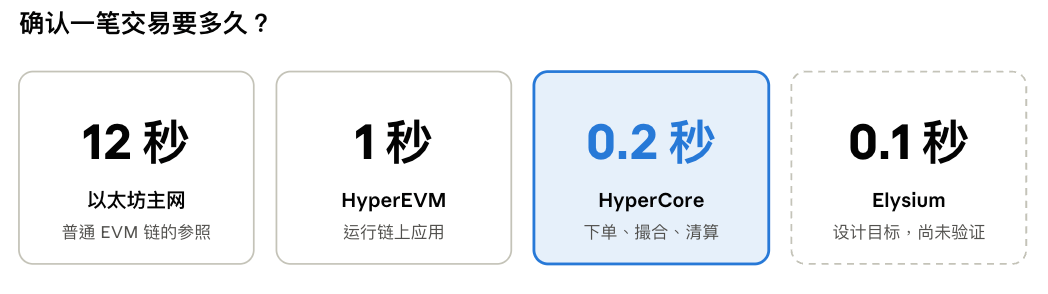
Kinetiq’s Elysium is a layer-2 chain settling to HyperEVM. The source’s timeline records a November 9, 2026, mainnet launch, while describing access to the full HyperCore order book and direct order submission as capabilities associated with subsequent upgrades. Its stated processing target was roughly 100 times HyperEVM’s capacity, with a block-time target of about 100 milliseconds. Those were targets, not demonstrated sustained mainnet results.
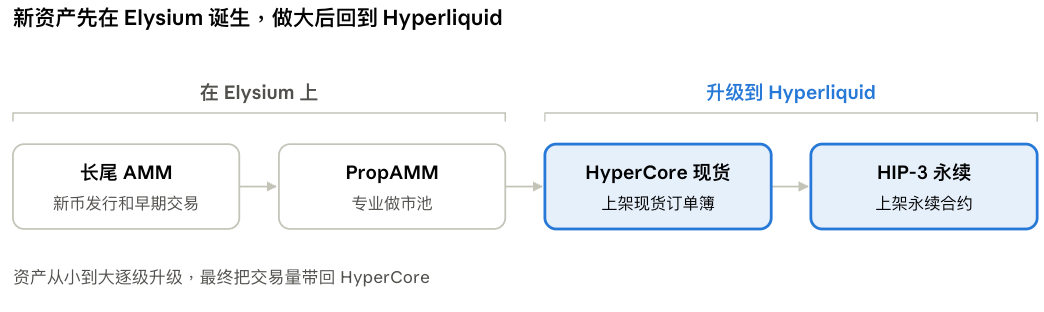
The proposed design also changes the trust model: the full-book data would come from Elysium-operated nodes and be vouched for by its sequencer, rather than receive the same Hyperliquid-consensus assurance as data available directly through HyperEVM. Kinetiq’s proposed path—launching new assets on Elysium, then moving sufficiently developed markets toward HyperCore—likewise remained a plan to be tested.
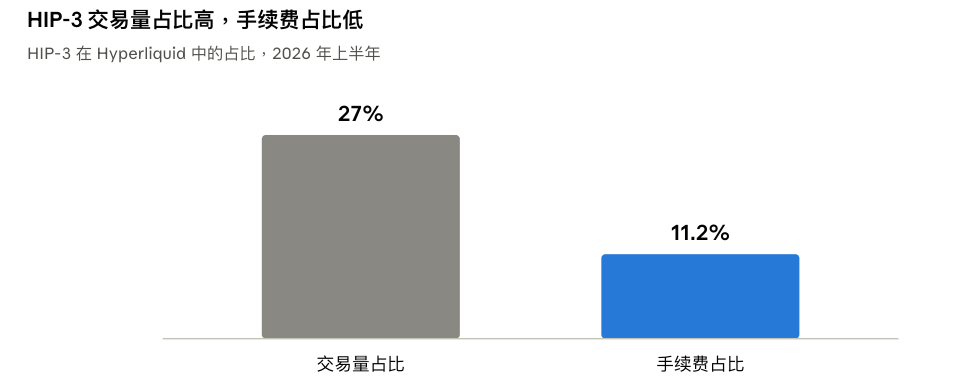
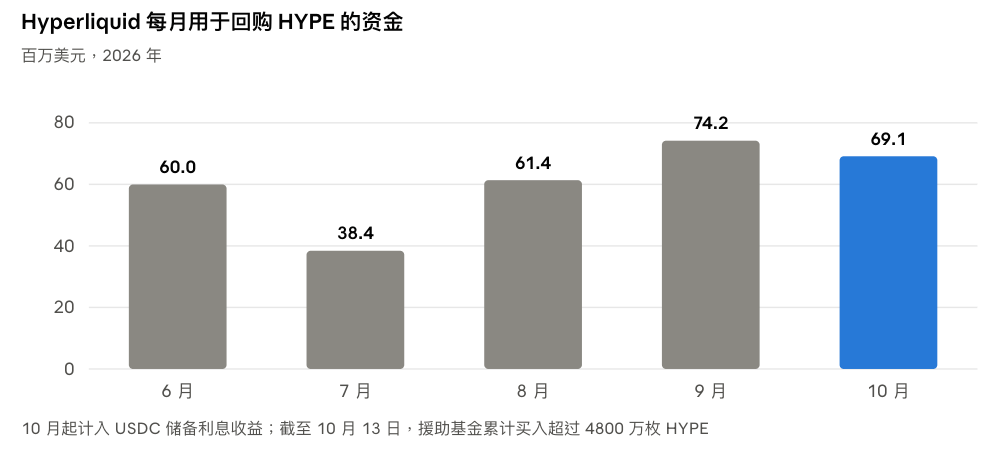
Together, the cases show why where execution happens matters more than the number of applications connected to Hyperliquid. Reading a price can support an outside product without sending its trading fees to HyperCore; a HIP-3 trade executes there but shares fees with its deployer. The open questions identified in the November 10 analysis were whether Hyperliquid could charge for use of its order book and whether restricted markets could retain the liquidity that makes that book useful.