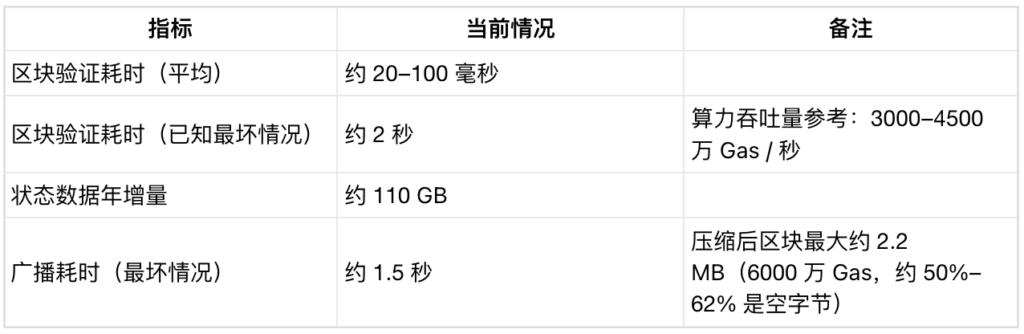
A contract that hard-codes how much gas another call may use could fail after a protocol repricing, even if its code does not change. That is the developer-facing concern in Vitalik Buterin’s discussion of EIP-8037, reported on November 16, 2026. The proposal aims to make creating new Ethereum state substantially more expensive while allowing more room to scale computation. It is a proposal, not an enacted rule.
Why separate state from execution?
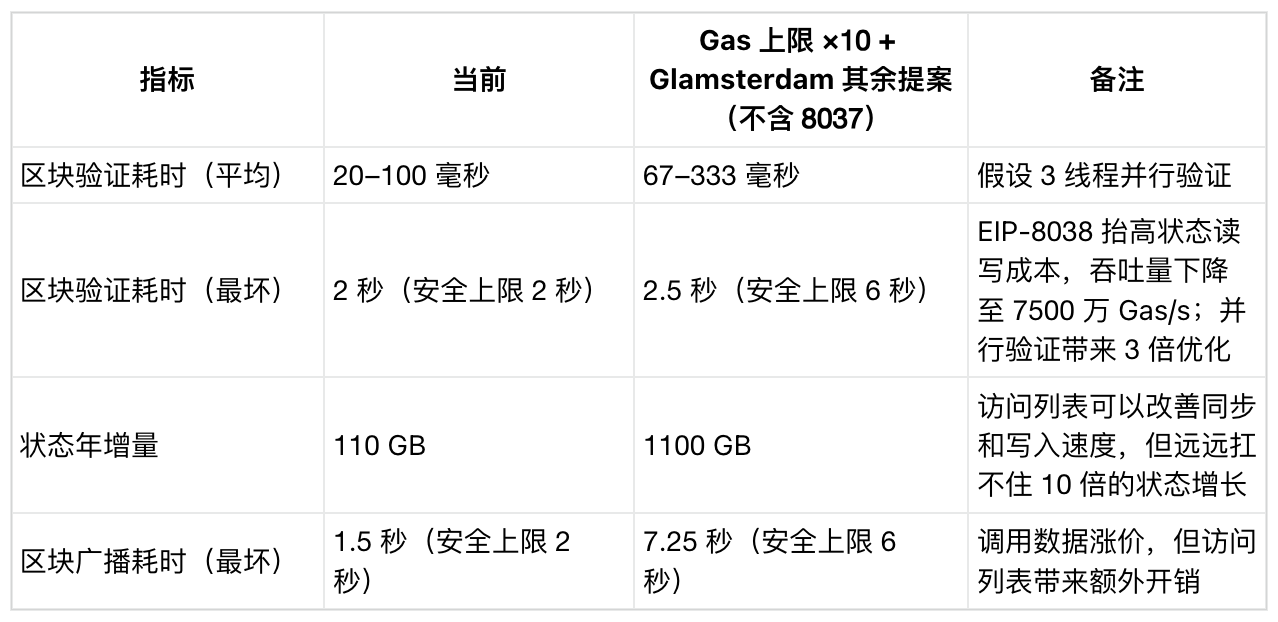
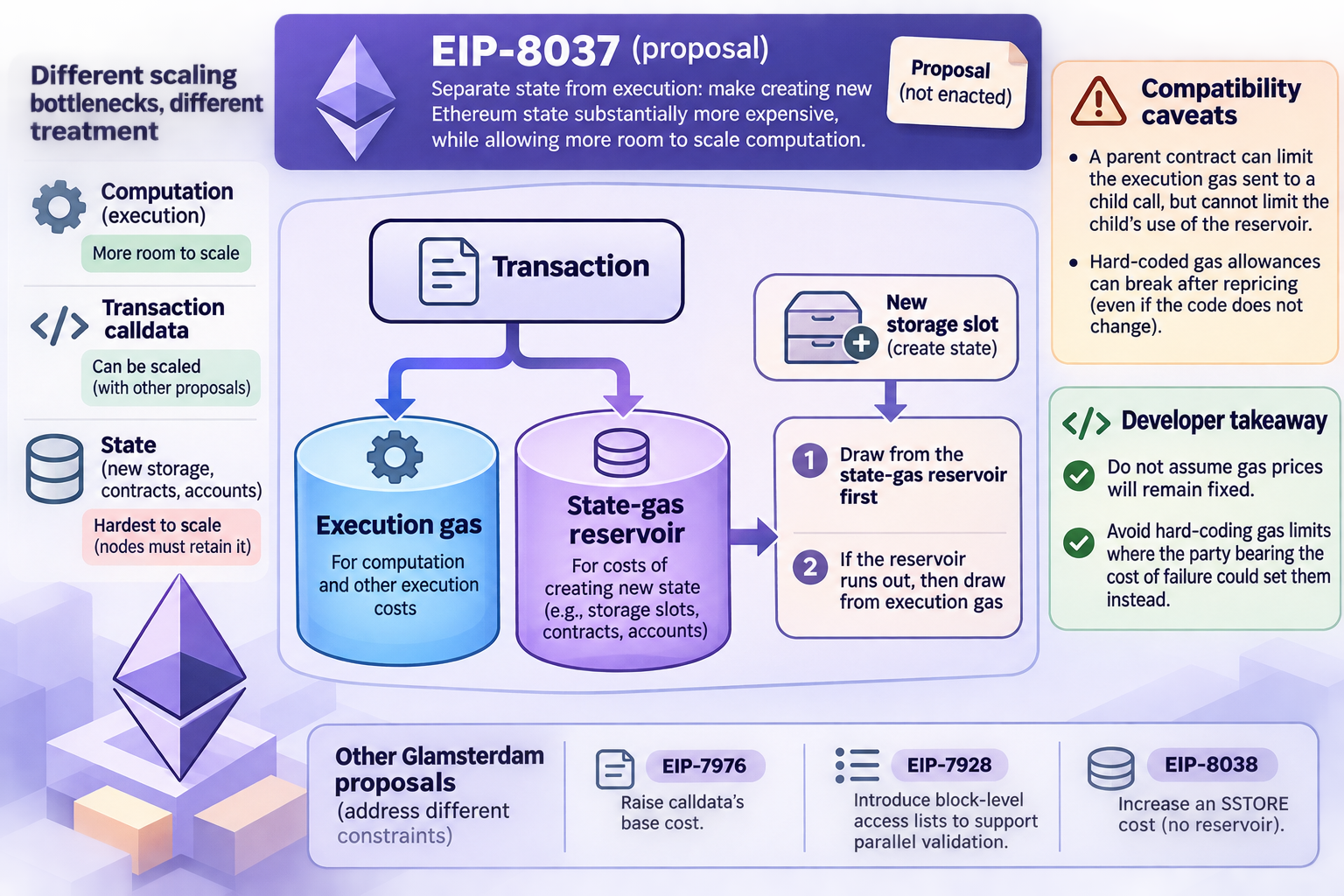
Buterin argues that raising Ethereum’s gas limit without other changes would increase several burdens on nodes. Computation, transaction calldata and permanent state do not pose the same scaling problem: nodes must retain state, so its growth is particularly difficult to accommodate.
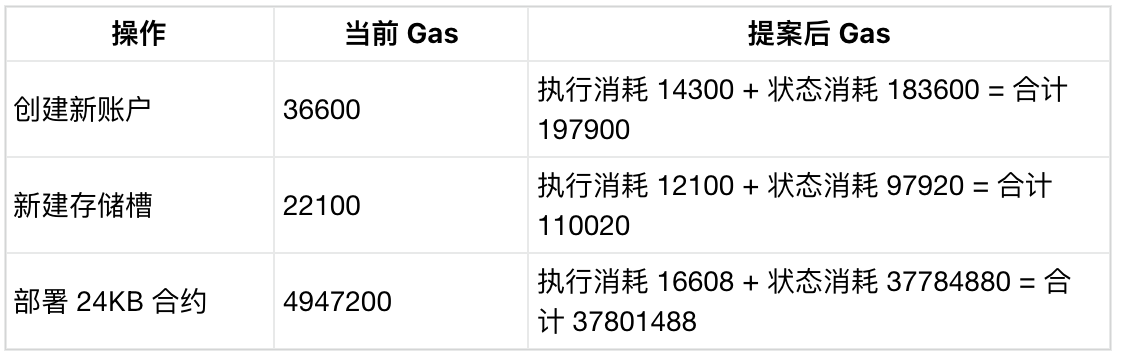
EIP-8037 would raise the cost of creating state, including new storage slots, contracts and accounts. Buterin says its rules would charge for creating an account regardless of the method used, even an ETH transfer to an address that does not yet exist. The proposal’s initial CPSB parameter is 1,530 and could be raised if the gas limit rises further.
Other proposals discussed for the Glamsterdam upgrade address different constraints. For example, EIP-7976 would raise calldata’s base cost, while EIP-7928 would introduce block-level access lists to support parallel validation. Buterin’s assessment is that those changes could help make a much higher gas limit manageable for computation and calldata, but would not solve state growth.
What the reservoir would do
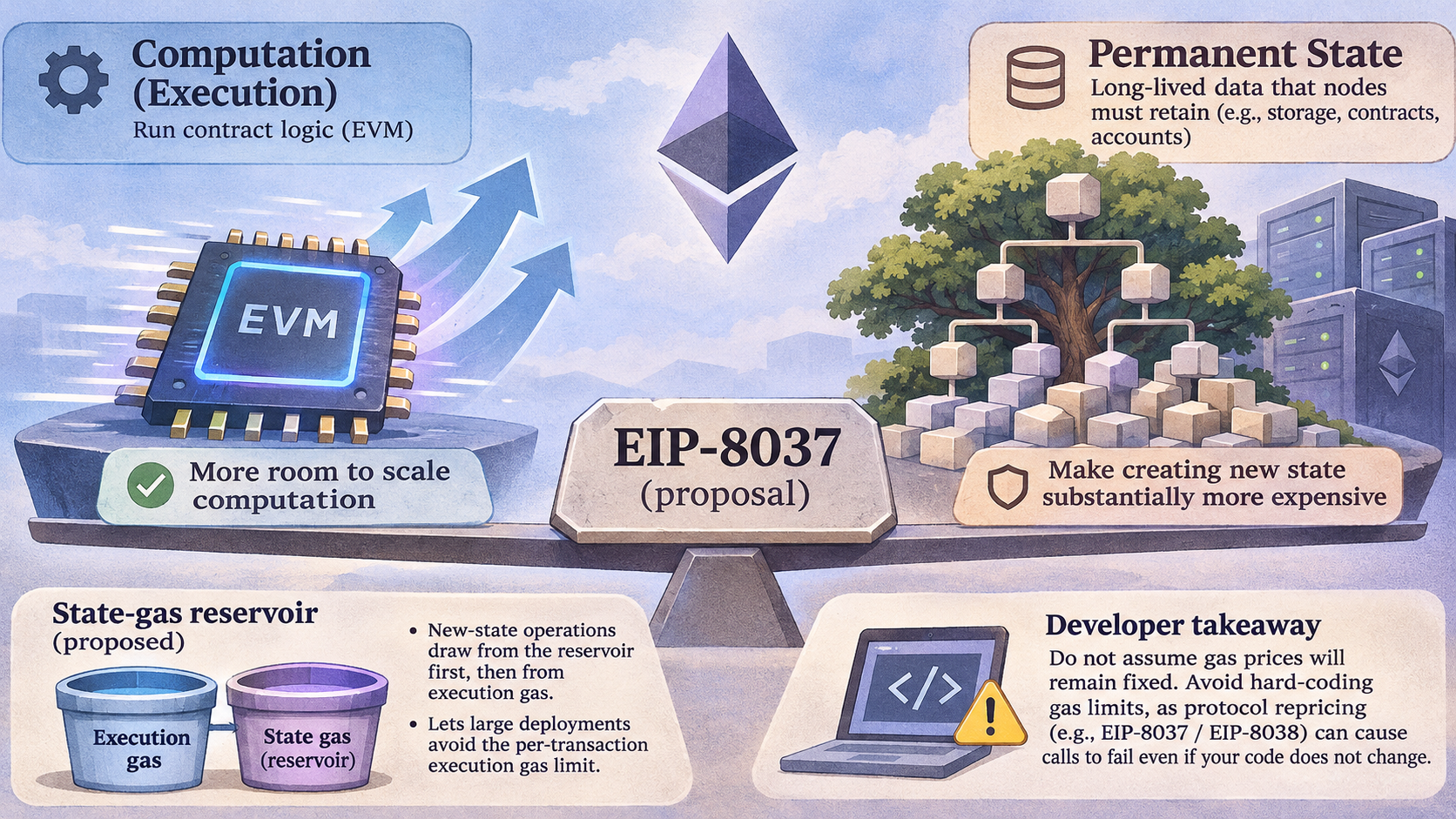
Under EIP-8037’s proposed state-gas reservoir, a transaction would have ordinary execution gas and a separate pool available for state-creation costs. New-state operations would draw from that pool first, then from ordinary execution gas if the pool ran out. Buterin says this would let a transaction cover a large contract deployment without counting its state gas against the 16.7 million gas per-transaction execution limit.
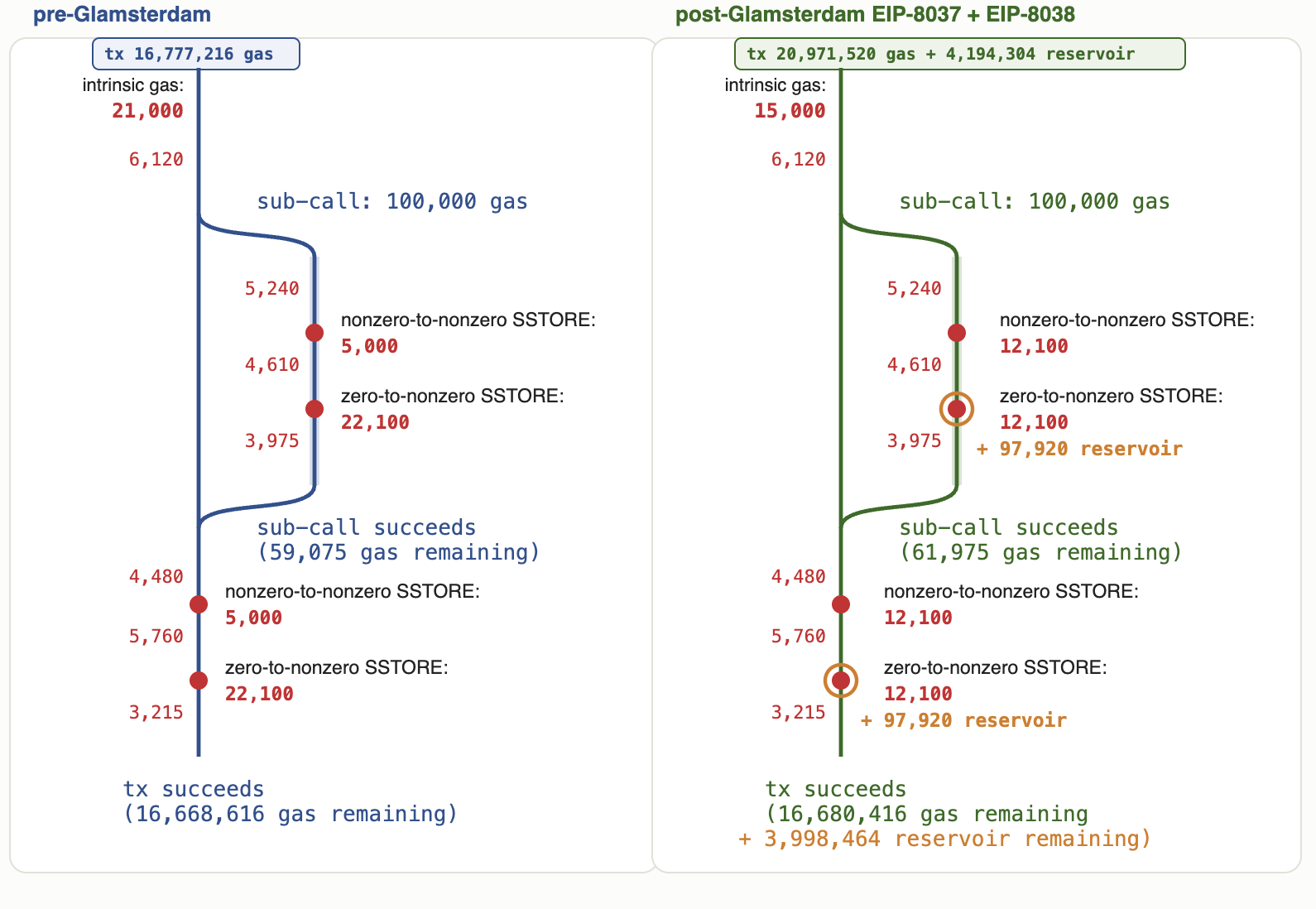
The separation has compatibility limits. A parent contract can restrict the execution gas sent to a child call, but cannot similarly restrict the child’s use of the reservoir. Buterin also points to systems with hard-coded gas allowances, including an OP Stack bridge path with a 40,000-gas limit: in his account, a transaction sent without a reservoir could cause an expected call to fail while the transaction itself still confirms. Separately, he says EIP-8038’s proposed increase in an SSTORE cost from 5,000 to 12,100 gas has no reservoir to cushion affected contracts.
Buterin describes possible protocol remedies, but says each brings costs or new risks. As of the November 16 report, he said the Glamsterdam upgrade had been delayed and work to identify and fix affected applications had begun. Those statements should not be read as confirmation that EIP-8037 or EIP-8038 had taken effect.
A design rule for contracts that cannot be upgraded
Buterin’s central advice is not to assume gas prices will remain fixed. In particular, developers should avoid hard-coding gas limits where the party bearing the cost of failure could set them instead. He also cautions against assuming that a caller will always be able to allocate less than all available gas to a subcall; he considers that mechanism likely to change after EIP-8141.
His broader list of possible future changes covers transaction formats, state and block structures, blob-related specifications, slot timing and consensus-layer rules. These are expectations, not a schedule of enacted changes. Buterin calls for core developers to publish clearer guidance on which protocol features may change, so builders of non-upgradeable applications can design around those boundaries.